Nest Hollow
Tails Up Upside Down Goldfinch Feeder - Keep House Sparrows Out!
Tails Up Upside Down Goldfinch Feeder - Keep House Sparrows Out!
Couldn't load pickup availability
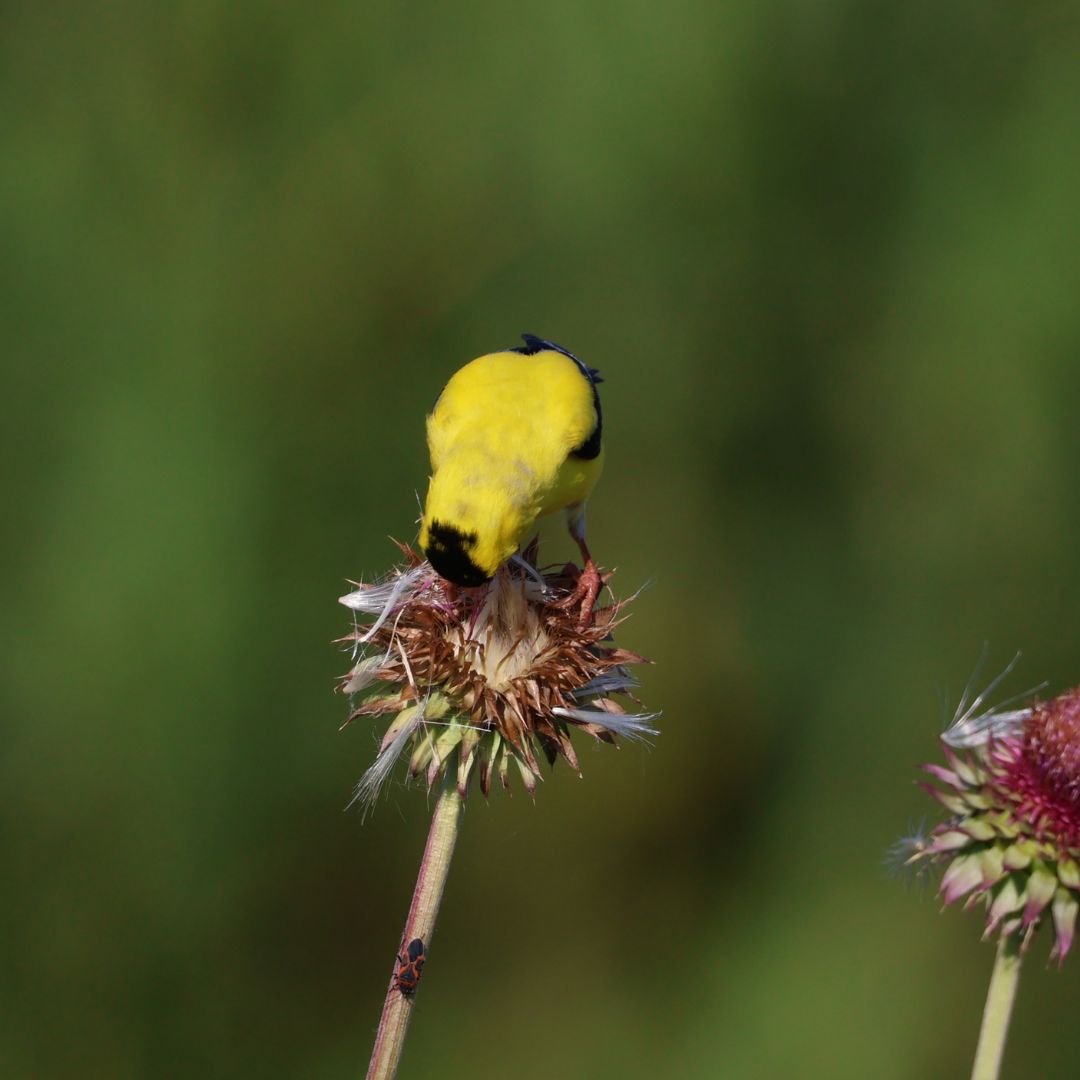
Goldfinches are known as acrobatic birds, and the bird feeding industry has taken advantage of their unique skill to eat upside down for long periods of time.
The Tails Up Upside Down Finch Feeder puts the feeding ports under the perch at just the right space. This allows goldfinches to happily eat from these feeders for longer periods. But other birds, including house sparrows struggle.
Benefits:
- Tube style means easier cleanup
- The lid is easy to open
- Ports below the perch for upside down feeding
- Discourages house sparrows and other bully birds
- Ports allow thistle seed and small granules of sunflower meats.
Why you need this feeder:
If you're trying to discourage house sparrows (invasive, not native) from your yard, but they keep coming and keep bullying away goldfinches, then this feeder will help reduce this issue because it forces a bird to eat upside down.
This is something goldfinches are particularly good at, but house sparrows and other birds are not as adapted to eating this way for very long.
Notes from testing:
Nest Hollow tests each product we put on the site to make sure it's going to work in favor of your backyard birds. While testing this feeder, here are a few things to note:
- While this flock of goldfinches ate from this feeder, other people who have tried upside down feeders sometimes discovered their goldfinches not liking it. We recommend not having a right side up feeder as an option - so that it prompts them to use this more. It also helps to have nearby perching spots for breaks. Finally, having native plants in your yard will make your goldfinches more adapted to eating upside down.
- House sparrows and Eurasian tree sparrows could still access this feeder, and they could eat from it. Eurasian tree sparrows, which are smaller than house sparrows, had a slightly easier time. But they could not stay on the feeder nearly as long. This means they are not going to be massive feeder hogs, and may not be able to bully your goldfinches as much
- The seed in this feeder was less cakey when we used a hanging baffle (basically a bird feeding umbrella) over the feeder.
Care Guide
House finches and goldfinches can sometimes spread a bacterium known as Mycoplasma gallisepticum. This bacterium is know for causing bad conjunctivitis infections, which can lead to death in wild songbirds.
Clean your feeders every two weeks. Clean them more after rain periods, otherwise your old seed will become a bacterial and fungal breeding ground.
Use hot water and vinegar. The Audubon Society also sometimes recommends hydrogen peroxide as a disinfecting option.
Do not refill the feeder until the tube feeder is completely dry.

For more finch care, take a look at our beautiful downloadable booklet.
This booklet goes over seed types, feeder types, cleaning and more. Plus, it's just really pretty with original photography.
Lean more, preview the pages and download here.